 A survey claims that at an average CEO spends over 90% of his time in working at communicating and inspiring people around him. Accomplished and successful CEOs do this with élan and there CEOs who need to work up and sharpen this edge of their competence.
There are numerous ways to do this and the most important and the most needed way to accomplish this is to talk to people, facilitate thought and inspire action. Here is where you ability to think well, structure thought, connect suavely, engage deeply and influence with authenticity and congruence others needs tuning up and enhancing.
Of all the methods and approaches to connect, engage and influence others the most powerful way to do this is to tell stories. Not just stories that start with ‘Once upon a time..,” but stories that are stylishly crafted, deeply researched, cannily assembled, effectively succinct, powerfully inspiring and stylishly delivered. Stories that can start with “Four score and seven years ago our fathers brought forth on this continent...”
Stories claim that Lincoln’s Gettysburg address was regarded as one of the shortest possible speeches made by a President of the United States in those days but it was the most succinct, hit the nail bang on the head and was also awesomely inspiring. Stories also claim that Lincoln spent a lot of time editing and practicing it his mind, while walking on a beach, before he settled with those set of words, that speech structure and that powerful story format to change the direction and history of a great country.
CEOs today in the 21st century can learn from these classic cases and examples and tell stories to inspire.
What happens when you tell a story? When you tell a story, you are handing out concepts and paradigm without indoctrinating and without being overbearing and boorish with details, data and delegations. With stories you are handing out flux and wisdom which listeners can use in any which they want and mould it according to their understanding, according to their needs and yet be able to find common ground between them and you, the CEO.
Stories land upon the psyche of others but grip and move powerfully because the listener participates and takes ownership of ideas, emotions and interpretation that rise out their own being their value systems. Thus, not only do the listeners take ownership but also, subtly and smoothly, make silent commitments to act and be responsible for what is co-created and generated between them and their leader.
This is powerful. This is one of the ways how effective CEOs inspire others.
A survey claims that at an average CEO spends over 90% of his time in working at communicating and inspiring people around him. Accomplished and successful CEOs do this with élan and there CEOs who need to work up and sharpen this edge of their competence.
There are numerous ways to do this and the most important and the most needed way to accomplish this is to talk to people, facilitate thought and inspire action. Here is where you ability to think well, structure thought, connect suavely, engage deeply and influence with authenticity and congruence others needs tuning up and enhancing.
Of all the methods and approaches to connect, engage and influence others the most powerful way to do this is to tell stories. Not just stories that start with ‘Once upon a time..,” but stories that are stylishly crafted, deeply researched, cannily assembled, effectively succinct, powerfully inspiring and stylishly delivered. Stories that can start with “Four score and seven years ago our fathers brought forth on this continent...”
Stories claim that Lincoln’s Gettysburg address was regarded as one of the shortest possible speeches made by a President of the United States in those days but it was the most succinct, hit the nail bang on the head and was also awesomely inspiring. Stories also claim that Lincoln spent a lot of time editing and practicing it his mind, while walking on a beach, before he settled with those set of words, that speech structure and that powerful story format to change the direction and history of a great country.
CEOs today in the 21st century can learn from these classic cases and examples and tell stories to inspire.
What happens when you tell a story? When you tell a story, you are handing out concepts and paradigm without indoctrinating and without being overbearing and boorish with details, data and delegations. With stories you are handing out flux and wisdom which listeners can use in any which they want and mould it according to their understanding, according to their needs and yet be able to find common ground between them and you, the CEO.
Stories land upon the psyche of others but grip and move powerfully because the listener participates and takes ownership of ideas, emotions and interpretation that rise out their own being their value systems. Thus, not only do the listeners take ownership but also, subtly and smoothly, make silent commitments to act and be responsible for what is co-created and generated between them and their leader.
This is powerful. This is one of the ways how effective CEOs inspire others.

Monday, June 18, 2012
Four Score and Seven Years Ago
As you grow up the corporate ladder you realise that besides your technical skills and management savvy it is your ability to choose the right people, assign the right jobs and most important of all, it is your ability to inspire people that takes the top credence.
 A survey claims that at an average CEO spends over 90% of his time in working at communicating and inspiring people around him. Accomplished and successful CEOs do this with élan and there CEOs who need to work up and sharpen this edge of their competence.
There are numerous ways to do this and the most important and the most needed way to accomplish this is to talk to people, facilitate thought and inspire action. Here is where you ability to think well, structure thought, connect suavely, engage deeply and influence with authenticity and congruence others needs tuning up and enhancing.
Of all the methods and approaches to connect, engage and influence others the most powerful way to do this is to tell stories. Not just stories that start with ‘Once upon a time..,” but stories that are stylishly crafted, deeply researched, cannily assembled, effectively succinct, powerfully inspiring and stylishly delivered. Stories that can start with “Four score and seven years ago our fathers brought forth on this continent...”
Stories claim that Lincoln’s Gettysburg address was regarded as one of the shortest possible speeches made by a President of the United States in those days but it was the most succinct, hit the nail bang on the head and was also awesomely inspiring. Stories also claim that Lincoln spent a lot of time editing and practicing it his mind, while walking on a beach, before he settled with those set of words, that speech structure and that powerful story format to change the direction and history of a great country.
CEOs today in the 21st century can learn from these classic cases and examples and tell stories to inspire.
What happens when you tell a story? When you tell a story, you are handing out concepts and paradigm without indoctrinating and without being overbearing and boorish with details, data and delegations. With stories you are handing out flux and wisdom which listeners can use in any which they want and mould it according to their understanding, according to their needs and yet be able to find common ground between them and you, the CEO.
Stories land upon the psyche of others but grip and move powerfully because the listener participates and takes ownership of ideas, emotions and interpretation that rise out their own being their value systems. Thus, not only do the listeners take ownership but also, subtly and smoothly, make silent commitments to act and be responsible for what is co-created and generated between them and their leader.
This is powerful. This is one of the ways how effective CEOs inspire others.
A survey claims that at an average CEO spends over 90% of his time in working at communicating and inspiring people around him. Accomplished and successful CEOs do this with élan and there CEOs who need to work up and sharpen this edge of their competence.
There are numerous ways to do this and the most important and the most needed way to accomplish this is to talk to people, facilitate thought and inspire action. Here is where you ability to think well, structure thought, connect suavely, engage deeply and influence with authenticity and congruence others needs tuning up and enhancing.
Of all the methods and approaches to connect, engage and influence others the most powerful way to do this is to tell stories. Not just stories that start with ‘Once upon a time..,” but stories that are stylishly crafted, deeply researched, cannily assembled, effectively succinct, powerfully inspiring and stylishly delivered. Stories that can start with “Four score and seven years ago our fathers brought forth on this continent...”
Stories claim that Lincoln’s Gettysburg address was regarded as one of the shortest possible speeches made by a President of the United States in those days but it was the most succinct, hit the nail bang on the head and was also awesomely inspiring. Stories also claim that Lincoln spent a lot of time editing and practicing it his mind, while walking on a beach, before he settled with those set of words, that speech structure and that powerful story format to change the direction and history of a great country.
CEOs today in the 21st century can learn from these classic cases and examples and tell stories to inspire.
What happens when you tell a story? When you tell a story, you are handing out concepts and paradigm without indoctrinating and without being overbearing and boorish with details, data and delegations. With stories you are handing out flux and wisdom which listeners can use in any which they want and mould it according to their understanding, according to their needs and yet be able to find common ground between them and you, the CEO.
Stories land upon the psyche of others but grip and move powerfully because the listener participates and takes ownership of ideas, emotions and interpretation that rise out their own being their value systems. Thus, not only do the listeners take ownership but also, subtly and smoothly, make silent commitments to act and be responsible for what is co-created and generated between them and their leader.
This is powerful. This is one of the ways how effective CEOs inspire others.
A survey claims that at an average CEO spends over 90% of his time in working at communicating and inspiring people around him. Accomplished and successful CEOs do this with élan and there CEOs who need to work up and sharpen this edge of their competence.
There are numerous ways to do this and the most important and the most needed way to accomplish this is to talk to people, facilitate thought and inspire action. Here is where you ability to think well, structure thought, connect suavely, engage deeply and influence with authenticity and congruence others needs tuning up and enhancing.
Of all the methods and approaches to connect, engage and influence others the most powerful way to do this is to tell stories. Not just stories that start with ‘Once upon a time..,” but stories that are stylishly crafted, deeply researched, cannily assembled, effectively succinct, powerfully inspiring and stylishly delivered. Stories that can start with “Four score and seven years ago our fathers brought forth on this continent...”
Stories claim that Lincoln’s Gettysburg address was regarded as one of the shortest possible speeches made by a President of the United States in those days but it was the most succinct, hit the nail bang on the head and was also awesomely inspiring. Stories also claim that Lincoln spent a lot of time editing and practicing it his mind, while walking on a beach, before he settled with those set of words, that speech structure and that powerful story format to change the direction and history of a great country.
CEOs today in the 21st century can learn from these classic cases and examples and tell stories to inspire.
What happens when you tell a story? When you tell a story, you are handing out concepts and paradigm without indoctrinating and without being overbearing and boorish with details, data and delegations. With stories you are handing out flux and wisdom which listeners can use in any which they want and mould it according to their understanding, according to their needs and yet be able to find common ground between them and you, the CEO.
Stories land upon the psyche of others but grip and move powerfully because the listener participates and takes ownership of ideas, emotions and interpretation that rise out their own being their value systems. Thus, not only do the listeners take ownership but also, subtly and smoothly, make silent commitments to act and be responsible for what is co-created and generated between them and their leader.
This is powerful. This is one of the ways how effective CEOs inspire others.


Monday, June 11, 2012
the Appreciative Inquiry way of life
Though this has impacted me several times and through multiple avenues, I can’t seem to be impressed any lesser every time it happens again...the fact that assessing any situation through a proactive stance and doing something concrete about challenges and hopes most often than not generates happy and constructive outcomes. <>
I’ve spent the first three months of 2012 working with a bunch of senior executives of a global corporation. In the last quarter of 2011 their sales were down, they were developing lesser new products and people in several of their departments were low on energy and low on engagement. Upon probing deeper and conversing with people at multiple levels we sensed a drop in trust levels amongst the senior management. Though this was barely visible in their behaviours and internal communications, it seems that production, sales and even marketing had read between the lines and gotten a whiff of the underlying tremors. The infliction had spread and was slowing down progress and even routine work.
<>
We used a combination of strategies and interventions to heal the underlying tremors and discords. Most all of them were first focussed on impressing upon all departments the value of consistent growth through innovation. Followed by small group discussions which were facilitated such to increase personal and corporate alignment. Once the teams and parts of the organization began to understand what needed to be done several creative thinking session were held where cross-functional teams came up with well-defined plans to innovate on people development, process improvement and suggestions on big-picture strategies for growth. Of the scores of plans, a select few will be implemented, deployed.
<>
The miraculous thing about the whole process was that since the dialogues and discussions were held following the Appreciative Inquiry way of life, the fringe benefits and the by product was increased engagement at all levels of the organization. It may not show on the company’s scorecards yet but the energy levels, the open discussions in the hallways and even the number of hi-five’s seemed to have gone up.
<>
In the coming months we will still recoup and run surveys on the actual results and numbers but as of now the senior leadership and most all of us involved feel that what has been done has been done for the better and it is bound to have a long-term positive effect.
...<>
Register for an Introductory Workshop on Appreciative Inquiry in India
<>
I’ve spent the first three months of 2012 working with a bunch of senior executives of a global corporation. In the last quarter of 2011 their sales were down, they were developing lesser new products and people in several of their departments were low on energy and low on engagement. Upon probing deeper and conversing with people at multiple levels we sensed a drop in trust levels amongst the senior management. Though this was barely visible in their behaviours and internal communications, it seems that production, sales and even marketing had read between the lines and gotten a whiff of the underlying tremors. The infliction had spread and was slowing down progress and even routine work.
<>
We used a combination of strategies and interventions to heal the underlying tremors and discords. Most all of them were first focussed on impressing upon all departments the value of consistent growth through innovation. Followed by small group discussions which were facilitated such to increase personal and corporate alignment. Once the teams and parts of the organization began to understand what needed to be done several creative thinking session were held where cross-functional teams came up with well-defined plans to innovate on people development, process improvement and suggestions on big-picture strategies for growth. Of the scores of plans, a select few will be implemented, deployed.
<>
The miraculous thing about the whole process was that since the dialogues and discussions were held following the Appreciative Inquiry way of life, the fringe benefits and the by product was increased engagement at all levels of the organization. It may not show on the company’s scorecards yet but the energy levels, the open discussions in the hallways and even the number of hi-five’s seemed to have gone up.
<>
In the coming months we will still recoup and run surveys on the actual results and numbers but as of now the senior leadership and most all of us involved feel that what has been done has been done for the better and it is bound to have a long-term positive effect.
...<>
Register for an Introductory Workshop on Appreciative Inquiry in India
 <>
I’ve spent the first three months of 2012 working with a bunch of senior executives of a global corporation. In the last quarter of 2011 their sales were down, they were developing lesser new products and people in several of their departments were low on energy and low on engagement. Upon probing deeper and conversing with people at multiple levels we sensed a drop in trust levels amongst the senior management. Though this was barely visible in their behaviours and internal communications, it seems that production, sales and even marketing had read between the lines and gotten a whiff of the underlying tremors. The infliction had spread and was slowing down progress and even routine work.
<>
We used a combination of strategies and interventions to heal the underlying tremors and discords. Most all of them were first focussed on impressing upon all departments the value of consistent growth through innovation. Followed by small group discussions which were facilitated such to increase personal and corporate alignment. Once the teams and parts of the organization began to understand what needed to be done several creative thinking session were held where cross-functional teams came up with well-defined plans to innovate on people development, process improvement and suggestions on big-picture strategies for growth. Of the scores of plans, a select few will be implemented, deployed.
<>
The miraculous thing about the whole process was that since the dialogues and discussions were held following the Appreciative Inquiry way of life, the fringe benefits and the by product was increased engagement at all levels of the organization. It may not show on the company’s scorecards yet but the energy levels, the open discussions in the hallways and even the number of hi-five’s seemed to have gone up.
<>
In the coming months we will still recoup and run surveys on the actual results and numbers but as of now the senior leadership and most all of us involved feel that what has been done has been done for the better and it is bound to have a long-term positive effect.
...<>
Register for an Introductory Workshop on Appreciative Inquiry in India
<>
I’ve spent the first three months of 2012 working with a bunch of senior executives of a global corporation. In the last quarter of 2011 their sales were down, they were developing lesser new products and people in several of their departments were low on energy and low on engagement. Upon probing deeper and conversing with people at multiple levels we sensed a drop in trust levels amongst the senior management. Though this was barely visible in their behaviours and internal communications, it seems that production, sales and even marketing had read between the lines and gotten a whiff of the underlying tremors. The infliction had spread and was slowing down progress and even routine work.
<>
We used a combination of strategies and interventions to heal the underlying tremors and discords. Most all of them were first focussed on impressing upon all departments the value of consistent growth through innovation. Followed by small group discussions which were facilitated such to increase personal and corporate alignment. Once the teams and parts of the organization began to understand what needed to be done several creative thinking session were held where cross-functional teams came up with well-defined plans to innovate on people development, process improvement and suggestions on big-picture strategies for growth. Of the scores of plans, a select few will be implemented, deployed.
<>
The miraculous thing about the whole process was that since the dialogues and discussions were held following the Appreciative Inquiry way of life, the fringe benefits and the by product was increased engagement at all levels of the organization. It may not show on the company’s scorecards yet but the energy levels, the open discussions in the hallways and even the number of hi-five’s seemed to have gone up.
<>
In the coming months we will still recoup and run surveys on the actual results and numbers but as of now the senior leadership and most all of us involved feel that what has been done has been done for the better and it is bound to have a long-term positive effect.
...<>
Register for an Introductory Workshop on Appreciative Inquiry in India
How to Inspire Like a CEO
Five Quick Tips on How to Inspire Like a CEO:
......
Number One: Care and respect others and their perceptions about life and work. Have your opinion, act upon what you choose but honestly and truthfully, at a very deep level, care for and respect all other perceptions. ......
Number Two: Be credible and worthy of being in a position to inspire others. Just words and promises do not inspire others. Others are more inspired by who you are and what you do. Words, we all know can be used to dress up windows. It is what lies behind the words and the windows that people usually peep into and go “aha!”
.....
Number Three: Know how to connect, engage and influence others. The gift of being able to communicate well is not always encoded into our genes but many a times it is an acquired skill. Learn the science and master the art. Practice it often.
......
Number Four: Rouse, enthral and challenge people towards something big and bright. A vision? A hope? A mountain top? Or, for a start, even a million dollars will do.
.....
Number Five: Catch on fire. Stay lit. Burn! One of my favourite quotes is: “Towards your purpose and your dream, ignite yourself with such passion that people from far and wide will watch you burn!” Inspiring others is about lighting up a fire inside of others_sometimes gently and creatively and sometimes explosively but the fact remains that the fire has to be lit INSIDE of them.
...
Mention this blog and get a free Audio CD on the HeART of Public Speaking when your register for Inspire Like a CEO
......
Number Two: Be credible and worthy of being in a position to inspire others. Just words and promises do not inspire others. Others are more inspired by who you are and what you do. Words, we all know can be used to dress up windows. It is what lies behind the words and the windows that people usually peep into and go “aha!”
.....
Number Three: Know how to connect, engage and influence others. The gift of being able to communicate well is not always encoded into our genes but many a times it is an acquired skill. Learn the science and master the art. Practice it often.
......
Number Four: Rouse, enthral and challenge people towards something big and bright. A vision? A hope? A mountain top? Or, for a start, even a million dollars will do.
.....
Number Five: Catch on fire. Stay lit. Burn! One of my favourite quotes is: “Towards your purpose and your dream, ignite yourself with such passion that people from far and wide will watch you burn!” Inspiring others is about lighting up a fire inside of others_sometimes gently and creatively and sometimes explosively but the fact remains that the fire has to be lit INSIDE of them.
...
Mention this blog and get a free Audio CD on the HeART of Public Speaking when your register for Inspire Like a CEO
 ......
Number Two: Be credible and worthy of being in a position to inspire others. Just words and promises do not inspire others. Others are more inspired by who you are and what you do. Words, we all know can be used to dress up windows. It is what lies behind the words and the windows that people usually peep into and go “aha!”
.....
Number Three: Know how to connect, engage and influence others. The gift of being able to communicate well is not always encoded into our genes but many a times it is an acquired skill. Learn the science and master the art. Practice it often.
......
Number Four: Rouse, enthral and challenge people towards something big and bright. A vision? A hope? A mountain top? Or, for a start, even a million dollars will do.
.....
Number Five: Catch on fire. Stay lit. Burn! One of my favourite quotes is: “Towards your purpose and your dream, ignite yourself with such passion that people from far and wide will watch you burn!” Inspiring others is about lighting up a fire inside of others_sometimes gently and creatively and sometimes explosively but the fact remains that the fire has to be lit INSIDE of them.
...
Mention this blog and get a free Audio CD on the HeART of Public Speaking when your register for Inspire Like a CEO
......
Number Two: Be credible and worthy of being in a position to inspire others. Just words and promises do not inspire others. Others are more inspired by who you are and what you do. Words, we all know can be used to dress up windows. It is what lies behind the words and the windows that people usually peep into and go “aha!”
.....
Number Three: Know how to connect, engage and influence others. The gift of being able to communicate well is not always encoded into our genes but many a times it is an acquired skill. Learn the science and master the art. Practice it often.
......
Number Four: Rouse, enthral and challenge people towards something big and bright. A vision? A hope? A mountain top? Or, for a start, even a million dollars will do.
.....
Number Five: Catch on fire. Stay lit. Burn! One of my favourite quotes is: “Towards your purpose and your dream, ignite yourself with such passion that people from far and wide will watch you burn!” Inspiring others is about lighting up a fire inside of others_sometimes gently and creatively and sometimes explosively but the fact remains that the fire has to be lit INSIDE of them.
...
Mention this blog and get a free Audio CD on the HeART of Public Speaking when your register for Inspire Like a CEO
Saturday, March 31, 2012
Creativity and Innovation: Executing Ideas

Last newsletter, I shared some ideas on how to “Subtly Sell” your Value Proposition to peers or investors and received a question on how do we assure successful execution of ideas in our organisations.
My top of the mind ideas are;
Have the ideation team be and stay as part of the execution team. They already have an intellectual stake and an emotional attachment to their innovation plans and strategies. The stake and the attachment will keep their passions fuelled and will also engage and influence others in the team, and in the supporting teams. Should there be any kinks that pop during the process of execution their participation will help them draw upon other ideas that had been brought up during the ideation stage. The kinks can be patched up with unused ideas from the ideation period.
Throw in a small number of outsiders, non-team members who will keep challenging or stumbling through the process of execution and building. These members can become the untrained, uninitiated feedback providers. They can bring in the same critical or amazed views and opinions that usually come from the real market, the real customer. This will keep the main team on their toes and even during the process of execution new ideas can still be incorporated in the progress of the process or the product.
Lastly, we should be ready to write-off the investment of time, money and man-hours that we put into these new plans. Driving change and innovation is a venture and must have a large amount of risk-taking ability and attitude built into the new ideas and action. There are no guarantees in life and in business.
Click here for the previous article.
Creativity and Innovation: Selling Your Value Proposition

Ideation in industries is challenging but the bigger challenge is converting ideas into actions, executing those ideas and also convincing peers and investors to buy into your ideas. Our ideas remain worth a sneeze if they can't be converted into value propositions and tangible, measurable products, processes or projects.
Yesterday, at a workshop I was asked..."How'd you get peers and investors to buy in?"
Here are three, really, quick tips.
Step 1:
Sneak the idea, subtly, into their mind-environment like fragrance, like mist, like a dainty little butterfly. CEOs, CIOs, Investors, like all of us, probably a bit more, are busy and pre-occupied. Sneaking in an idea into their environment makes them feel they thought about it, they came up with it, thus, they will want to own and invest into it.
Do this through a press leak, a tweet, a hand-written note. Or, speak to your companion, in an elevator, in hushed tones within their earshot. Essentially, let the idea seep into their system without having to work through natural human resistances.
Step 2:
Assuming this gets you into their boardroom for a "little" chat about a new idea, go prepared to go for the jugular and make major impact.
Carry, a less than 3 minute presentation/chat/proposal which...
Describes the proposition in crystal clear terms. Edit it a thousand times for impact and clarity.
Keeps your proposition irrefutable and backed up by proof or testimonials from valid or respectable sources.
Has an underlying agenda and a visible agenda that is ethical and delivers a greater good...in alignment with corporate vision and values.
Step 3:
Offer to participate and drive the execution of the idea and stay with it till its launch and, inevitable, success. Rarely do people want to buy into and invest in an idea until it seems to them that the person proposing is committed to it and will stand behind its execution.
Think of innovation as new action and a put in conscious effort to sell and execute your ideas.
HeART SmART™ Creativity & Innovation
Raju Mandhyan
Friday, February 24, 2012
Allama Iqbal Khudi Ko Kar Bulund Itna recited by Raju Man...
"Make yourself so mighty in spirit and selflessness that
Way before your destiny changes Providence itself shall come and have a dialogue with you, and ask,
“What is that you wish to have, to happen 'anak'?"
Way before your destiny changes Providence itself shall come and have a dialogue with you, and ask,
“What is that you wish to have, to happen 'anak'?"
Thursday, December 29, 2011
Entrepreneurs are Made not Born:taken from the book, pit bulls & entrepreneurs
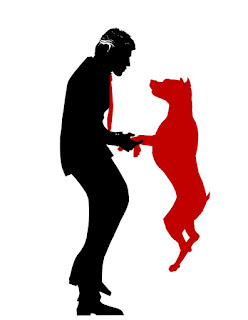
Many years ago, I failed at two attempts at starting and running my own business. The first time, I failed at putting up a trading business with a partner from the Middle East. The second time, I failed at making success of a small retail business with my spouse as partner.
Sometime in the late 1980s, I was in the middle of nurturing a third venture. This time, before doing anything else, I spent years understanding and comprehending the dynamics of the business. I made sure that I understood supply side systems and demand side strategies. I made it a point to save up for my capital requirements, develop a network of useful connections and relationships, and learn what I believed to be the right skills and competencies to ensure that I become a self-dependent and complete entrepreneur.
I remember one morning, six months and a year into my third venture, I was in the middle of strapping some cartons for a shipment when a, stern-looking officer from the Department of Labor and Employment came knocking at my door. She was conducting a random, on-site inspection for fair and humane treatment of employees by business owners.
“As an owner of this company, you wouldn’t mind answering a few questions would you?” she asked.
“Sure! Go ahead and be my guest.” I replied.
“How long has this business been operational and what is it that you do?”
“Well, it’s now been a year and half. We are in the business of trading soft goods like home decor, garments, handicrafts, and similar stuff. We buy them here in the Philippines and then ship them to clients across the world.”
“Hmm, that must be quite lucrative. How many people do you have working here?”
“Two. One girl. And there’s this other chap.”
“Can you please describe the job of the girl?”
“Well, she answers the phone, takes messages, files loose papers, types a letter a day, once in a while makes bad coffee, and every two weeks runs to the bank to draw her salary.”
“Right; that sounds like she is the Office Assistant. Awful supporting, aren’t they? Does she put in any extra effort for the business?
“Oh, yes, yes! She puts in extra time and effort to fix her hair, powder her nose, file her nails, and look as neat as can be. On weekdays, she uses the office telephone to chat with her girlfriends, and on weekends, with her boyfriends. The days when she doesn’t have or loses a boyfriend, she spends her days crying and eating chocolates in the office. Poor little thing!”
“Oh, that’s quite sad. How many hours a week, would you say, does she suffer like this in here?”
“Oh, the little darling, she comes in a bit after ten in the morning to avoid the morning traffic and leaves just before five in the afternoon to beat the evening traffic. On Saturdays, she drops by for a quick brunch and then leaves to get her hair and nails done.”
“Gosh! That’s over 40 hours a week! And does she get a fair wage, social security, health insurance, all the prescribed holidays, annual vacation, and sick leaves too?”
“Oh yes, she does get all that, plus an extra three days every month for headaches in the stomach.”
“Hmm, I totally understand and empathize with her. Now about this other chap who works here -- what exactly does he do?”
“This chap draws the contracts, works on the purchasing, chases the factories for deliveries, drives the truck, manages the inventory, packs the shipments, processes the billings, cleans the car, answers the phone, and makes coffee when Jane is not around.”
“Sounds like quite a handy man. What are his working hours around here?”
“He’s here before the break of dawn on Mondays and then stays till all the work is done for the rest of the week.”
“That’s amazing! Does that mean he also sleeps over here?”
“Yes, on that wooden bench over there by the doghouse.”
“That does look quite inviting and warm. Probably allows him some quality time with the dog too! Now, does he get a fair wage for his hours, social security, medical and health insurance, annual vacation and sick leaves?”
“Oh yes! Sure!" He gets two square meals a day, a daily cup of overly sweet but weak coffee, a pack of cigarettes every month, and he is also allowed to sneak off early on Christmas eve and come in a bit late on New Year’s Day.”
“Sneaks off on Christmas Eve? Comes in a bit late on New Year’s Day? How dare you do such a thing, sir? That is disgusting! You, sir, are an animal, a monster and a slave-driver! He is a man, not a dog! Please call that man here, right now! I’d like to read the poor slob his rights as an employee and as a human being!”
“Madame,” I said softly and with a very long pause for effect, “you are looking at the Adam!”
Though that story is very slightly dramatized, it brings us close to putting across the point that an entrepreneur, a business owner, has to work, eat, and sleep like a dog. He has to put in atrociously obscene amounts of time, effort, and dedication for the success of his business. It is all, as they say, a lot of blood, sweat, and tears.
Entrepreneurs, like leaders, are made, not born.
Subscribe to:
Posts (Atom)